Revolutionizing Recovery: The Benefits of Extracorporeal Shockwave Therapy
posted: Oct. 24, 2024.
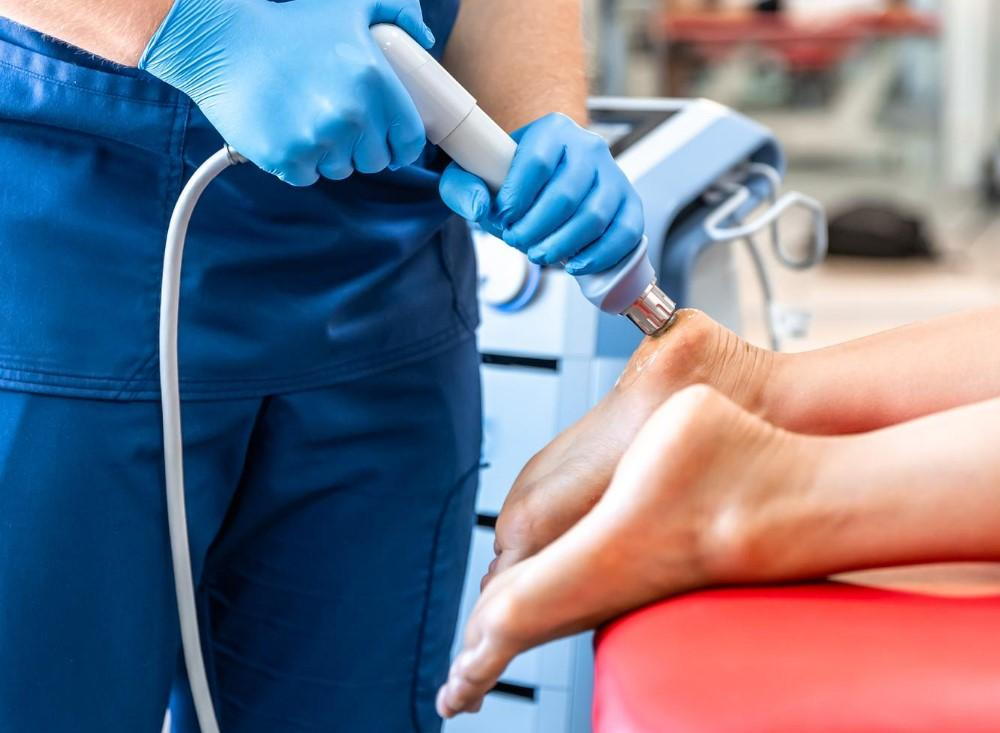
Extracorporeal Shockwave Therapy (ESWT) is changing how we think about recovery. This non-invasive treatment uses sound waves to promote healing and reduce pain. It's especially useful for treating foot conditions like plantar fasciitis and heel spurs. People who have suffered from chronic pain are finding relief through ESWT.
One of the key advantages of ESWT is its ability to treat pain without surgery. Many treatments require long recovery times and can be quite invasive. ESWT, on the other hand, is quick and requires no downtime. Patients can return to their daily activities almost immediately. This makes it an attractive option for those looking for an effective yet sensible treatment.
Understanding how ESWT works and its numerous benefits can help you make an informed decision about your treatment options. Whether you’re dealing with persistent foot pain or exploring new treatments, learning about ESWT could be the first step towards a pain-free life. In this article, we will explore what ESWT is, the science behind it, its benefits, and what you can expect during a session.
What is Extracorporeal Shockwave Therapy (ESWT)?
Extracorporeal Shockwave Therapy (ESWT) is a non-invasive treatment that uses sound waves to promote healing and reduce pain. This therapy has been widely used in sports medicine and orthopaedics. It is particularly effective for treating chronic conditions that haven’t responded well to other treatments.
In ESWT, a device generates shockwaves that are directed at the affected area. These shockwaves stimulate the body's natural healing processes. The therapy is commonly used to treat various foot conditions, such as plantar fasciitis, Achilles tendonitis, and heel spurs. Because ESWT is non-invasive, it doesn't require any surgical intervention, which means there’s no need for anaesthesia or long recovery times.
Patients may notice improvements after just a few sessions. The treatment is typically performed in a clinical setting, and each session lasts about 20 to 30 minutes. The number of sessions required can vary, depending on the severity of the condition. Overall, ESWT offers a promising solution for individuals seeking relief from chronic foot pain without the need for surgery.
How ESWT Works: The Science Behind the Treatment
The science behind ESWT is both fascinating and effective. The therapy uses shockwaves, which are high-energy sound waves, to stimulate healing. These shockwaves are generated by a device and focused on the affected area of the foot. When the shockwaves reach the targeted tissue, they create microtraumas, which trigger the body's natural healing response.
These microtraumas cause an increase in blood flow to the area, promoting the growth of new blood vessels. This improved circulation helps to deliver essential nutrients and oxygen to the damaged tissue, aiding in the repair process. Additionally, shockwaves can break down calcium deposits and scar tissue, which can be the source of pain in conditions like plantar fasciitis and heel spurs.
Another interesting aspect of ESWT is its ability to impact pain perception. The shockwaves stimulate the nerves in the affected area, which can reduce pain signals sent to the brain. This reduction in pain allows patients to move more easily and engage in physical activities without discomfort.
Because of its multi-faceted approach, ESWT has become a popular treatment for various foot conditions. It combines pain relief with tissue healing, making it an effective option for many patients. By targeting the root causes of pain, ESWT helps individuals regain mobility and enjoy a better quality of life.
Key Benefits of ESWT for Foot Conditions
Extracorporeal Shockwave Therapy (ESWT) offers numerous benefits for treating foot conditions. One of the primary advantages is pain relief. The shockwaves stimulate the nerves in the affected area, reducing the pain signals sent to the brain. This allows patients to experience significantly less pain, often after just a few sessions.
Another key benefit is improved healing. The shockwaves enhance blood circulation by creating microtrauma in the tissue. This increases blood flow, which brings essential nutrients and oxygen to the area. The result is accelerated healing and tissue repair. This makes ESWT particularly effective for chronic conditions like plantar fasciitis, Achilles tendonitis, and heel spurs.
Additional Benefits of ESWT Include:
- Non-Invasive Treatment: No need for surgery or anesthesia, which means no long recovery times.
- Quick Sessions: Each session lasts about 30 minutes, making it easy to fit into a busy schedule.
- Minimal Side Effects: Most patients experience mild discomfort that resolves quickly.
- Wide Applicability: Effective for a range of conditions, from heel spurs to tendonitis.
These benefits make ESWT a compelling option for those suffering from chronic foot pain. By targeting the underlying issues, ESWT goes beyond mere symptom management to offer long-term relief.
What to Expect During an ESWT Session
Understanding what happens during an ESWT session can help ease any concerns you might have. The first step is to schedule an appointment with a podiatrist like Sheldon Nadal D.P.M, who will assess your condition and determine if ESWT is right for you.
During the session, you will be seated comfortably, and the affected foot will be positioned for easy access. A gel is applied to the treatment area to help conduct the shockwaves. The podiatrist will then use a handheld device to deliver the shockwaves to the targeted area. You may feel slight discomfort or a tapping sensation, but most people find it tolerable.
Steps in an ESWT Session:
1. Consultation: Discuss your condition and medical history.
2. Preparation: Position the foot and apply conductive gel.
3. Treatment: Deliver shockwaves using a handheld device.
4. Post-Treatment: Discuss any immediate reactions and schedule follow-up sessions if necessary.
Most sessions last about 20 to 30 minutes, and you can go home right after. There is no need for rest or recovery, so you can return to your daily activities immediately. Multiple sessions may be required to achieve the best results, depending on the severity of your condition.
Conclusion
Extracorporeal Shockwave Therapy (ESWT) is transforming how we treat foot pain. Its non-invasive nature, combined with effective pain relief and enhanced healing, makes it a popular choice for treating conditions like plantar fasciitis and heel spurs. Understanding the science behind ESWT and knowing what to expect during a session can help you make an informed decision about your treatment options.
If you're struggling with chronic foot pain and looking for an effective treatment, consult with Sheldon Nadal D.P.M to see if ESWT is right for you. Take the first step towards pain-free living by contacting our Toronto foot clinic today and scheduling an appointment. Reclaim your mobility and enjoy the benefits of this revolutionary treatment.