Stretch, Support, and Heal: A Comprehensive Guide to Conquering Plantar Fasciitis
posted: Oct. 28, 2024.
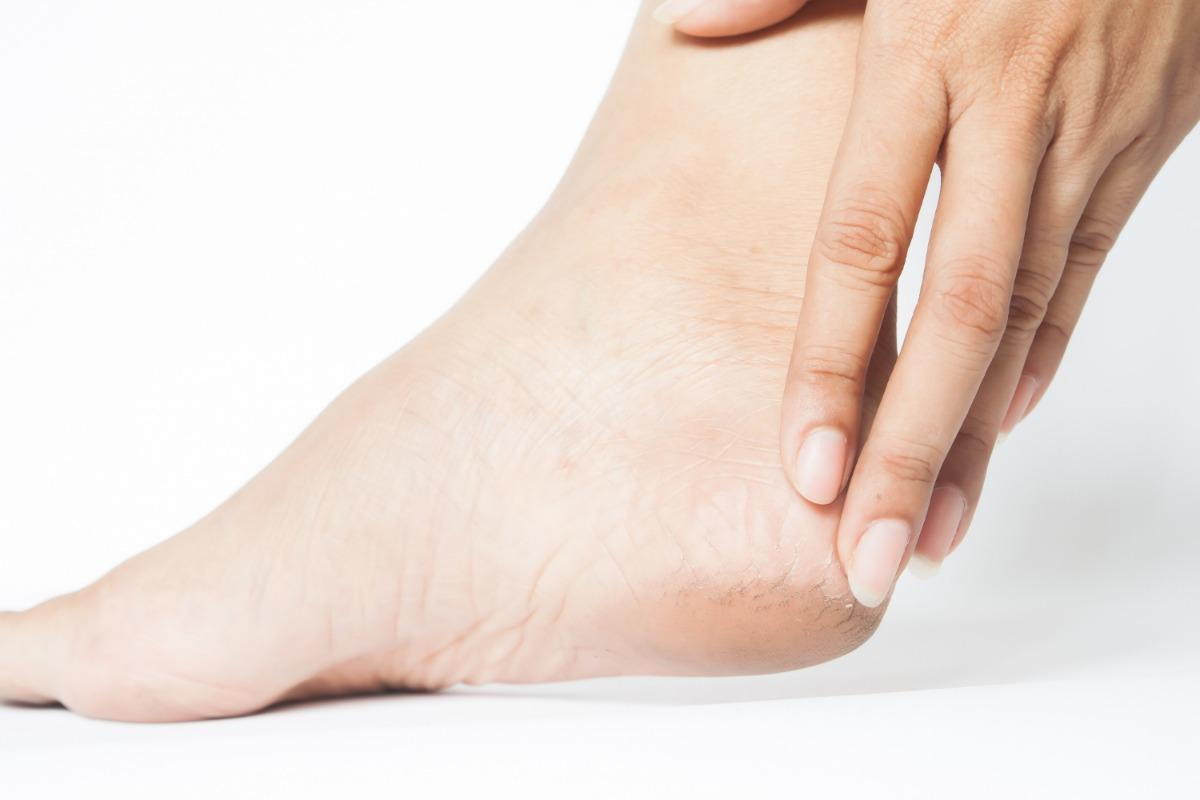
Plantar fasciitis is a common foot condition causing severe heel pain. This pain often appears in the morning or after long periods of rest. The condition affects the plantar fascia, a thick band of tissue that runs across the bottom of your foot. When this tissue becomes inflamed, it can lead to sharp, stabbing pain.
Many factors can contribute to plantar fasciitis, including poor footwear, standing for long periods, and even certain types of exercise. If left untreated, plantar fasciitis can become a chronic issue. Fortunately, multiple ways exist to manage and treat this condition, ranging from simple stretches to advanced medical treatments.
Understanding plantar fasciitis and the steps you can take to address it can help you find relief. Whether you're experiencing early symptoms or dealing with chronic pain, knowing your options is key. In this article, we will explore the causes and symptoms of plantar fasciitis, effective stretches for pain relief, the importance of supportive footwear and orthotics, and advanced treatment options for more severe cases.
Understanding Plantar Fasciitis: Causes and Symptoms
Plantar fasciitis can start with a dull or stabbing pain in the heel. This pain often worsens in the morning or after long periods of sitting. The primary cause of this condition is inflammation of the plantar fascia, the thick band of tissue that connects your heel to your toes.
Several factors can contribute to plantar fasciitis. Wearing unsupportive shoes is a common culprit. Footwear that lacks proper arch support can strain the plantar fascia. People who spend long hours on their feet, like teachers or retail workers, are also at risk.
Additional causes of plantar fasciitis include:
- High-impact activities: Running, jumping, and other high-impact sports can strain the plantar fascia.
- Excess weight: Being overweight adds extra pressure on your feet.
- Age: The condition is more common in people aged 40 to 60.
Recognizing the symptoms early can help in managing the condition. If you experience persistent heel pain, especially after rest, consider consulting a podiatrist to discuss your options.
Effective Stretches to Relieve Plantar Fasciitis Pain
Stretching can relieve the pain associated with plantar fasciitis. Simple stretches not only loosen the plantar fascia but also strengthen the muscles around your foot, promoting overall foot health.
Three Effective Stretches:
1. Calf Stretch: Stand facing a wall with one foot in front of the other. Bend your front knee while keeping your back leg straight and your heel on the ground. Hold for 15-30 seconds.
2. Towel Stretch: Sit with your legs extended. Place a towel under the arch of one foot. Hold the ends of the towel and gently pull the towel towards you. Hold for 15-30 seconds.
3. Toe Stretch: Sit comfortably and bring one foot up to the opposite knee. Gently stretch your toes backwards with your hand. Hold for 15-30 seconds.
Perform these stretches several times a day for the best results. Consistent stretching can greatly reduce pain and prevent further injury. If the pain persists, consulting a podiatrist can help identify additional treatments and solutions.
Footwear and Orthotics: Key to Support and Healing
Wearing the right footwear and using orthotics can make a huge difference in managing plantar fasciitis. Shoes with proper arch support and cushioning help reduce the strain on the plantar fascia. This not only eases pain but also prevents the condition from worsening.
Features to Look for in Footwear:
- Arch Support: Proper arch support helps distribute pressure evenly across your feet.
- Cushioning: Good cushioning absorbs shock, reducing the impact on your heels.
- Heel Support: Sturdy heel support keeps the foot in a stable position.
Orthotics can provide additional support where regular shoes fall short. Custom orthotics are specially designed to fit the unique shape of your feet, offering personalized support and comfort. Over-the-counter orthotics can also be effective and are a more budget-friendly option.
Wearing supportive shoes and orthotics regularly can significantly alleviate symptoms. If you’re unsure about the best footwear or orthotic options for your condition, consult with us. We can provide expert advice tailored to your specific needs.
Advanced Treatment Options for Severe Cases
If conservative treatments like stretching and supportive footwear do not relieve your plantar fasciitis, advanced treatments may be necessary. These treatments are designed to offer relief when initial methods are not enough.
Common Advanced Treatments:
- Extracorporeal Shockwave Therapy (ESWT): This non-invasive procedure uses sound waves to stimulate healing. It targets the affected area, promoting blood flow and reducing inflammation.
- Corticosteroid Injections: These injections help reduce inflammation and relieve pain. They are often used when other treatments have failed.
- Platelet-Rich Plasma (PRP) Therapy: This involves injecting a concentration of a patient’s own platelets into the affected area. The platelets release growth factors that promote healing.
- Surgery: In severe cases, surgery might be recommended to release the tension in the plantar fascia.
Consulting with a podiatrist will help you understand which advanced treatment is best suited for your condition. He can guide you through your options and recommend the most effective course of action.
Conclusion
Managing plantar fasciitis requires a comprehensive approach. By understanding the causes and symptoms, incorporating effective stretches, using supportive footwear and orthotics, and exploring advanced treatments, you can significantly reduce pain and enhance healing. Each step you take brings you closer to relief and regaining your mobility.
If you're dealing with persistent plantar fasciitis pain, it's essential to consult with a podiatrist who has the expertise to guide you through your plantar fasciitis treatment in Toronto. Sheldon Nadal D.P.M offers specialized care to help you conquer plantar fasciitis. Take the first step towards pain-free living and schedule an appointment with us today. Reclaim your comfort and get back to enjoying your daily activities.