Walking on Eggshells: Managing and Treating Heel Spurs
posted: Oct. 28, 2024.
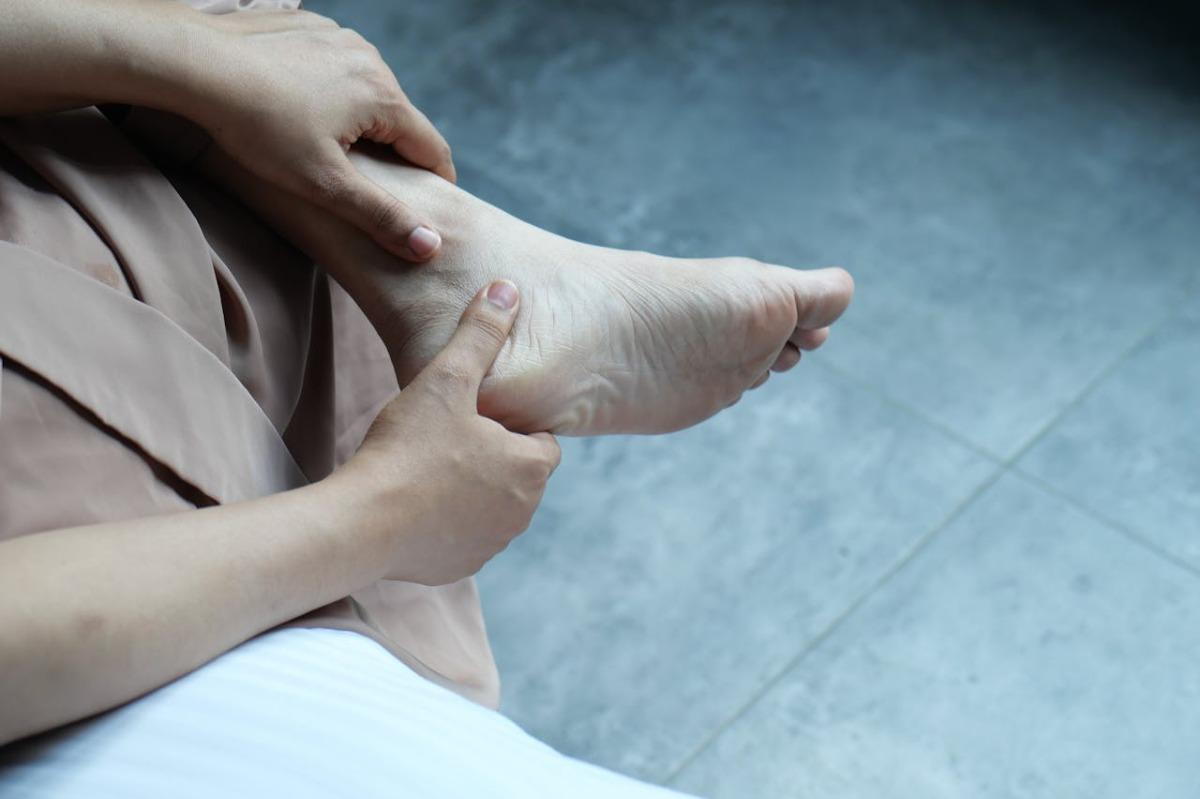
Experiencing sharp heel pain can make every step feel like walking on eggshells. This discomfort is often caused by heel spurs, which are bony growths that develop on the underside of the heel bone. Heel spurs can form from long-term strain on the muscles and ligaments of the foot, leading to calcium deposits that build up over time.
Heel spurs are often associated with plantar fasciitis, a condition that causes inflammation of the tissue connecting the heel bone to the toes. This combination can result in significant discomfort, especially after periods of inactivity or prolonged standing. Identifying the causes and symptoms of heel spurs is essential for effective treatment and management.
Addressing heel spur pain involves both home remedies and professional interventions. Simple changes, such as using ice packs and incorporating specific stretches, can provide relief. Additionally, choosing supportive footwear and orthotics plays a crucial role in managing this condition. If these measures don't bring relief, it may be time to consult a podiatrist like Sheldon Nadal D.P.M for specialized treatment.
Understanding how to manage and treat heel spurs can make a significant difference in your daily comfort and mobility. Taking steps to address this condition early can help you regain control and reduce pain effectively.
What Are Heel Spurs: Causes and Symptoms
Heel spurs are bony growths that form on the underside of the heel bone. These growths form when calcium deposits build up over time, usually due to repeated strain on foot muscles and ligaments. This repeated strain can come from walking, running, or even standing for long periods.
Several factors can contribute to the formation of heel spurs. One common cause is plantar fasciitis, where the plantar fascia (a band of tissue connecting your heel bone to your toes) becomes inflamed. This inflammation can lead to the gradual buildup of calcium deposits at the point where the tissue connects to the heel bone. Other contributing factors include excessive exercise, poorly fitting shoes, and obesity.
Symptoms of heel spurs can vary. Some people may not feel any discomfort, while others may experience sharp pain in the heel, especially when standing up first thing in the morning or after long periods of rest. The pain may decrease as you move around but usually returns after extended activity. Swelling, inflammation, and a visible bony protrusion under the heel are also common indicators of heel spurs.
Recognizing these symptoms early can prompt timely treatment and prevent further discomfort. Understanding the root causes helps in taking necessary steps to avoid aggravating the condition.
Home Remedies for Managing Heel Spur Pain
Managing heel spur pain at home involves a few simple yet effective remedies. One of the most common methods is using ice packs. Applying ice to the affected area for 15-20 minutes several times a day can reduce inflammation and provide temporary pain relief. Wrap the ice in a cloth to avoid direct contact with the skin.
Stretching exercises can also help alleviate heel spur pain. Stretching the calf muscles and the plantar fascia can relieve tension and reduce discomfort. Here are some useful stretches:
1. Calf Stretch: Stand facing a wall with one foot forward and the other back. Bend your front knee while keeping the back leg straight and the heel on the ground. Hold for 30 seconds and switch legs.
2. Plantar Fascia Stretch: Sit down and place your affected foot over the opposite knee. Gently pull the toes back towards the shin until you feel a stretch in the arch of the foot. Hold for 15-30 seconds.
Over-the-counter pain relievers like ibuprofen can help manage pain and reduce swelling. Always follow the recommended dosage instructions.
Resting your feet by avoiding long periods of standing or walking can also be beneficial. Elevate your feet when resting to help reduce swelling. Combining these home remedies can provide significant relief from heel spur pain and improve overall foot health. If the pain persists, consider seeking professional help.
Importance of Supportive Footwear and Orthotics
Choosing the right footwear is crucial for managing heel spur pain. Proper shoes provide the necessary support and cushioning to reduce strain on the heel. When selecting shoes, look for those that offer good arch support, a cushioned sole, and a firm heel counter.
Supportive footwear helps in evenly distributing pressure across the foot, preventing excess strain on the heel and plantar fascia. Shoes with a wide toe box can also help, as they allow the toes to spread naturally, which reduces pressure on the heel.
In addition to wearing supportive shoes, using orthotic inserts can make a significant difference. Orthotics are designed to provide extra support and cushioning where your feet need it most. Here are some types of orthotics beneficial for heel spurs:
1. Custom Orthotics: Tailored to the unique shape of your foot, custom orthotics provide personalized support.
2. Over-the-Counter Inserts: These are available in various sizes and support levels and can be a more affordable option.
3. Heel Cups and Pads: These are specifically designed to provide added cushioning for the heel area.
Wearing supportive footwear and orthotics helps manage pain and prevents further damage to the heel. These tools can make daily activities more comfortable and improve your overall foot health.
Professional Treatments: When to Seek Help from a Podiatrist
If home remedies and supportive footwear aren't enough to alleviate heel spur pain, it might be time to consult a podiatrist. Persistent pain, despite trying various at-home treatments, is a clear sign that you need professional help.
Sheldon Nadal D.P.M offers several specialized treatments for heel spurs. Here are some treatments he may recommend:
1. Extracorporeal Shock Wave Therapy (ESWT): This non-invasive procedure uses shock waves to promote healing and reduce pain.
2. Corticosteroid Injections: These injections help reduce inflammation and provide significant pain relief.
3. Physical Therapy: Specific exercises can help stretch and strengthen the muscles and tendons in your feet.
4. Surgery: In severe cases, surgical intervention may be necessary to remove the spur and relieve pain.
Each of these treatments offers different benefits and levels of relief. A podiatrist can assess your specific condition and recommend the best course of action. Seeking professional treatment can help you manage pain more effectively and prevent further complications.
Conclusion
Managing and treating heel spurs involves a combination of understanding the condition, employing home remedies, and using supportive footwear. Knowing when to seek help from a podiatrist is also essential for long-term relief. By addressing the root causes and symptoms early, you can take significant steps toward reducing pain and improving your mobility.
Heel spurs don't have to limit your daily activities. Whether through home remedies, changing footwear, or consulting a professional, effective treatments are available. Taking a proactive approach to managing heel spurs can lead to a more comfortable and active lifestyle.
If heel spur pain continues to affect your quality of life, consider consulting Sheldon Nadal D.P.M by scheduling an appointment. Get back to walking comfortably and enjoying your favourite activities pain-free.