

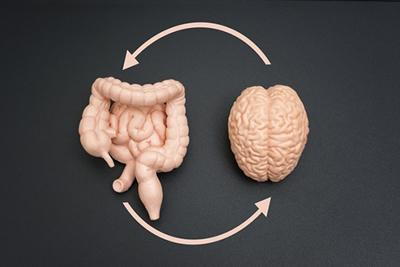
You’ve probably heard the saying, “you are what you eat,” but recent research suggests that what you eat and how your digestive system processes it could also have a profound impact on your mental health. The gut-brain connection, a term used to describe the communication between the digestive system and the brain, is a growing area of study in the medical field. Our gut health can influence our mood, behavior, and thoughts.
Understanding the Link Between Digestive Health and Mental Wellness
The gut and brain are closely linked through the gut-brain axis, a complex communication system involving direct and indirect pathways. The vagus nerve, one of the longest nerves in the body, is a key player in this communication, sending signals back and forth between the brain and the digestive system. A healthy gut can help support a healthy mind, while disruptions in gut health can contribute to mental health issues like anxiety, depression, and even cognitive decline.
The gut produces about 90% of the body’s serotonin, a neurotransmitter that helps regulate mood, sleep, and appetite. Low serotonin levels are commonly associated with mood disorders like depression and anxiety. Therefore, an unhealthy gut may reduce serotonin production, potentially leading to mood disturbances. This is one of the reasons why improving gut health is being explored as a treatment for mental health conditions.
Chronic inflammation is another key link between digestive health and mental wellness. The gut is highly sensitive to inflammation, which can result from poor diet, stress, or an unhealthy microbiome. This inflammation can spread to the brain, affecting mood and cognitive function. Studies have found elevated markers of inflammation in people with depression, suggesting that inflammation might play a role in the development of mental health disorders.
Contact Our Gastroenterologist Today
Understand how your gut health can impact other aspects of your overall well-being. Contact your gastroenterologist to learn more today.