How Basal Cell Carcinoma Differs From Other Skin Cancers
- posted: Jun. 14, 2025
- Skin Conditions
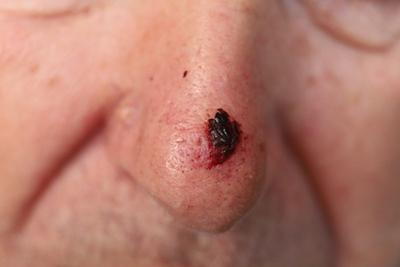
Basal cell carcinoma is the most common type of skin cancer, and it tends to grow slowly over time. It starts in the basal cells, which are located in the deepest layer of the epidermis. This type of cancer usually shows up in sun-exposed areas like the face, ears, neck, and arms. It might appear as a pearly bump, a pinkish patch, or a sore that doesn’t heal. While basal cell carcinoma is rarely life-threatening, it can still cause significant local damage if left untreated, especially if it grows into deeper layers of the skin or surrounding tissue. That’s why Dr. Gerald Peters of Peters Dermatology Center, your skin care provider in Bend, Oregon, wants you to recognize basal cell carcinoma and take it seriously.
How It Differs From Squamous Cell Carcinoma
Squamous cell carcinoma is the second most common type of skin cancer, and it tends to behave a bit more aggressively than basal cell carcinoma. It starts in the squamous cells that make up the middle and outer layers of the skin. Unlike basal cell carcinoma, which typically grows in a localized area, squamous cell carcinoma has a slightly higher risk of spreading to nearby lymph nodes or other parts of the body if not treated early. It often presents as a rough, scaly patch, an open sore, or a firm red nodule. The two conditions share sun exposure as a major risk factor, but their growth patterns and risks are different.
How It Compares to Melanoma
Melanoma is a much more dangerous form of skin cancer that begins in the melanocytes, the cells responsible for skin pigment. Unlike basal cell carcinoma, which grows slowly and tends to stay confined to its original location, melanoma can spread quickly to other parts of the body. It often starts as a new mole or a change in an existing mole, especially if it becomes asymmetrical, has uneven borders, or changes in color. While basal cell carcinoma is common and usually treatable with outpatient procedures, melanoma requires fast and more aggressive intervention to prevent it from becoming life-threatening.
Treatment Differences and Long-Term Considerations
Basal cell carcinoma is usually treated at Peters Dermatology Center in Bend, Oregon, with minor surgical procedures like excision or Mohs surgery, both of which aim to remove all cancerous cells while preserving as much healthy skin as possible. Radiation therapy or topical medications may be used for certain cases. Because it tends to grow slowly, basal cell carcinoma is often caught early during routine skin checks with Dr. Peters, making outcomes generally favorable. However, having one basal cell carcinoma increases the risk of developing more in the future, so regular monitoring is of vital importance.
Why Early Diagnosis Still Matters
Even though basal cell carcinoma is the least dangerous of the common skin cancers, early diagnosis is still important. Left untreated, it can grow deeply into the skin, damage nerves and bones, and require more complex treatment. A small spot that doesn’t heal, bleeds easily, or looks a bit different than other areas of skin deserves professional attention.
Get Checked for Basal Cell Carcinoma in Central Oregon
At Peters Dermatology Center in Bend, Oregon, patients receive personalized evaluation and treatment for all types of skin cancer. Whether you’re noticing a suspicious spot or simply staying on top of routine skin health, a prompt visit can make all the difference. To schedule a consultation with Dr. Gerald Peters, call (541) 323-7546.
- posted: Jun. 14, 2025
- Skin Conditions
Basal cell carcinoma is the most common type of skin cancer, and it tends to grow slowly over time. It starts in the basal cells, which are located in the deepest layer of the epidermis. This type of cancer usually shows up in sun-exposed areas like the face, ears, neck, and arms. It might appear as a pearly bump, a pinkish patch, or a sore that doesn’t heal. While basal cell carcinoma is rarely life-threatening, it can still cause significant local damage if left untreated, especially if it grows into deeper layers of the skin or surrounding tissue. That’s why Dr. Gerald Peters of Peters Dermatology Center, your skin care provider in Bend, Oregon, wants you to recognize basal cell carcinoma and take it seriously.
How It Differs From Squamous Cell Carcinoma
Squamous cell carcinoma is the second most common type of skin cancer, and it tends to behave a bit more aggressively than basal cell carcinoma. It starts in the squamous cells that make up the middle and outer layers of the skin. Unlike basal cell carcinoma, which typically grows in a localized area, squamous cell carcinoma has a slightly higher risk of spreading to nearby lymph nodes or other parts of the body if not treated early. It often presents as a rough, scaly patch, an open sore, or a firm red nodule. The two conditions share sun exposure as a major risk factor, but their growth patterns and risks are different.
How It Compares to Melanoma
Melanoma is a much more dangerous form of skin cancer that begins in the melanocytes, the cells responsible for skin pigment. Unlike basal cell carcinoma, which grows slowly and tends to stay confined to its original location, melanoma can spread quickly to other parts of the body. It often starts as a new mole or a change in an existing mole, especially if it becomes asymmetrical, has uneven borders, or changes in color. While basal cell carcinoma is common and usually treatable with outpatient procedures, melanoma requires fast and more aggressive intervention to prevent it from becoming life-threatening.
Treatment Differences and Long-Term Considerations
Basal cell carcinoma is usually treated at Peters Dermatology Center in Bend, Oregon, with minor surgical procedures like excision or Mohs surgery, both of which aim to remove all cancerous cells while preserving as much healthy skin as possible. Radiation therapy or topical medications may be used for certain cases. Because it tends to grow slowly, basal cell carcinoma is often caught early during routine skin checks with Dr. Peters, making outcomes generally favorable. However, having one basal cell carcinoma increases the risk of developing more in the future, so regular monitoring is of vital importance.
Why Early Diagnosis Still Matters
Even though basal cell carcinoma is the least dangerous of the common skin cancers, early diagnosis is still important. Left untreated, it can grow deeply into the skin, damage nerves and bones, and require more complex treatment. A small spot that doesn’t heal, bleeds easily, or looks a bit different than other areas of skin deserves professional attention.
Get Checked for Basal Cell Carcinoma in Central Oregon
At Peters Dermatology Center in Bend, Oregon, patients receive personalized evaluation and treatment for all types of skin cancer. Whether you’re noticing a suspicious spot or simply staying on top of routine skin health, a prompt visit can make all the difference. To schedule a consultation with Dr. Gerald Peters, call (541) 323-7546.
Hours of Operation
Peters Dermatology Center
Monday
8:00 AM - 5:00 PM
Tuesday
8:00 AM - 5:00 PM
Wednesday
8:00 AM - 5:00 PM
Thursday
8:00 AM - 5:00 PM
Friday
8:00 AM - 4:00 PM
Saturday
Closed
Sunday
Closed