- posted: Dec. 28, 2025
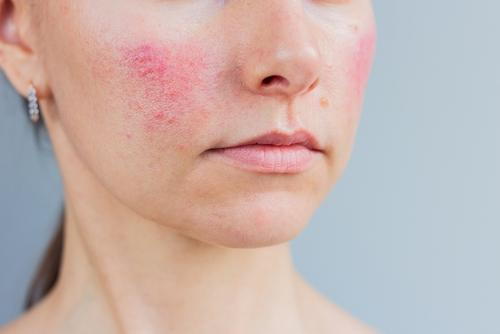
At Three Rivers Dermatology in Coraopolis, PA, we frequently care for patients who struggle with rosacea and the unpredictable flare-ups that come with it. Rosacea causes chronic facial redness, visible blood vessels, and sometimes acne-like bumps. Although it is a long-term condition, identifying triggers and managing them consistently helps reduce flare frequency and severity.
Common Causes of Rosacea Flare-Ups
Rosacea flare-ups occur when blood vessels in the face dilate too easily. Heat often triggers this response: Hot weather, warm indoor environments, hot showers, and steam from cooking commonly worsen facial redness. Sun exposure also plays a major role, especially without daily sunscreen use.
Certain foods and beverages cause flushing in many patients. Spicy foods, alcohol, and hot drinks frequently lead to flare-ups. Emotional stress increases blood flow to the face and can intensify symptoms. Skincare products that irritate the skin barrier, including those with fragrance or alcohol, also contribute to rosacea flares.
How to Recognize a Flare-Up Early
Early signs of rosacea often include persistent redness across the cheeks, nose, forehead, or chin. Patients may notice warmth, burning, or stinging before visible changes appear. Some experience swelling or increased sensitivity to products they previously tolerated. Papules and pustules can develop during more severe flare-ups and often resemble acne but respond differently to treatment.
Recognizing these early changes allows us to adjust care quickly and reduce flare duration.
How Dermatology Care Helps Manage Rosacea
Dermatologic care focuses on controlling inflammation, strengthening the skin barrier, and minimizing triggers. We evaluate each patient’s skin pattern, symptoms, and lifestyle to build a personalized treatment plan. We sometimes prescribe topical medications to help reduce redness and inflammatory lesions. Oral therapies may benefit patients with frequent or severe flare-ups.
We also guide patients on gentle skincare routines and sun protection strategies. Regular follow-up visits help us refine treatment as rosacea changes over time.
At-Home Care That Supports Healthier Skin
Daily habits play a critical role in rosacea control. Gentle cleansers, fragrance-free moisturizers, and mineral-based sunscreen protect sensitive skin. Avoiding known dietary triggers and managing stress through consistent routines also help reduce flare-ups. Patients who track triggers often gain better long-term control.
Schedule a Rosacea Evaluation in Coraopolis, PA
If rosacea flare-ups affect your comfort or confidence, we can help. Contact Three Rivers Dermatology in Coraopolis, PA to schedule an evaluation and develop a personalized management plan. Call (412) 262-4911 to request an appointment and take the next step toward calmer, healthier skin.
- posted: Dec. 28, 2025
At Three Rivers Dermatology in Coraopolis, PA, we frequently care for patients who struggle with rosacea and the unpredictable flare-ups that come with it. Rosacea causes chronic facial redness, visible blood vessels, and sometimes acne-like bumps. Although it is a long-term condition, identifying triggers and managing them consistently helps reduce flare frequency and severity.
Common Causes of Rosacea Flare-Ups
Rosacea flare-ups occur when blood vessels in the face dilate too easily. Heat often triggers this response: Hot weather, warm indoor environments, hot showers, and steam from cooking commonly worsen facial redness. Sun exposure also plays a major role, especially without daily sunscreen use.
Certain foods and beverages cause flushing in many patients. Spicy foods, alcohol, and hot drinks frequently lead to flare-ups. Emotional stress increases blood flow to the face and can intensify symptoms. Skincare products that irritate the skin barrier, including those with fragrance or alcohol, also contribute to rosacea flares.
How to Recognize a Flare-Up Early
Early signs of rosacea often include persistent redness across the cheeks, nose, forehead, or chin. Patients may notice warmth, burning, or stinging before visible changes appear. Some experience swelling or increased sensitivity to products they previously tolerated. Papules and pustules can develop during more severe flare-ups and often resemble acne but respond differently to treatment.
Recognizing these early changes allows us to adjust care quickly and reduce flare duration.
How Dermatology Care Helps Manage Rosacea
Dermatologic care focuses on controlling inflammation, strengthening the skin barrier, and minimizing triggers. We evaluate each patient’s skin pattern, symptoms, and lifestyle to build a personalized treatment plan. We sometimes prescribe topical medications to help reduce redness and inflammatory lesions. Oral therapies may benefit patients with frequent or severe flare-ups.
We also guide patients on gentle skincare routines and sun protection strategies. Regular follow-up visits help us refine treatment as rosacea changes over time.
At-Home Care That Supports Healthier Skin
Daily habits play a critical role in rosacea control. Gentle cleansers, fragrance-free moisturizers, and mineral-based sunscreen protect sensitive skin. Avoiding known dietary triggers and managing stress through consistent routines also help reduce flare-ups. Patients who track triggers often gain better long-term control.
Schedule a Rosacea Evaluation in Coraopolis, PA
If rosacea flare-ups affect your comfort or confidence, we can help. Contact Three Rivers Dermatology in Coraopolis, PA to schedule an evaluation and develop a personalized management plan. Call (412) 262-4911 to request an appointment and take the next step toward calmer, healthier skin.