- posted: Jan. 08, 2026
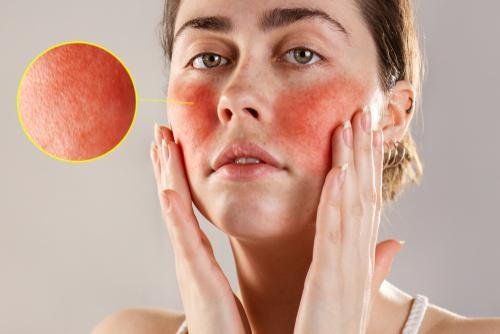
Rosacea is a common, chronic skin condition that primarily affects the central face, causing persistent redness, visible blood vessels (telangiectasias), and sometimes small, pus-filled bumps that resemble acne. While there is no cure for rosacea, the condition is highly manageable. The key to maintaining a clear, calm complexion and preventing the progression of symptoms lies in identifying and rigorously avoiding the environmental and lifestyle factors that cause flare-ups. These factors, known as triggers, cause blood vessels to dilate rapidly, leading to the characteristic flushing and inflammation. Dr. Damon McClain, MD, FAAD, and Dr. Susannah Berke, MD, FAAD, at Three Rivers Dermatology, serving Coraopolis, Pittsburgh, and Sewickley, PA, specialize in helping patients manage this often-frustrating condition.
The Most Common Rosacea Triggers
Rosacea triggers are highly individualized, but they often fall into several predictable categories. We encourage our patients to keep a symptom diary to help identify theirs.
1. Heat and Sun Exposure
Sunlight is arguably the most frequent and significant trigger for rosacea. Heat from any source can cause vasodilation (widening of blood vessels), leading to flushing and persistent redness.
- Avoid: Direct sun exposure, especially between 10 a.m. and 4 p.m. Very hot showers or baths, saunas, hot tubs, and sitting too close to fireplaces or heating vents.
- Protection: Daily, year-round use of broad-spectrum sunscreen (SPF 30 or higher) is a huge help. Look for mineral-based sunscreens containing zinc oxide or titanium dioxide, as these are less irritating. Wear wide-brimmed hats outdoors.
2. Diet and Beverages
Certain foods and drinks are notorious for stimulating blood flow and triggering immediate flushing.
- Spicy Foods: Anything containing capsaicin (found in chili peppers) is a powerful vascular stimulant.
- Hot Beverages: The temperature, not the content, of drinks like coffee, tea, or hot chocolate can cause immediate facial flushing. Allow them to cool before drinking.
- Alcohol: Red wine is particularly problematic, though any alcohol can trigger a flare by increasing blood flow.
- Caffeine: While the heat is a major issue, the stimulant properties of caffeine can also contribute to flushing in some individuals.
3. Emotional and Physical Stress
Stress, anxiety, and intense emotions cause a physiological "fight or flight" response, releasing hormones like cortisol and adrenaline that increase blood flow to the skin.
- Management: Stress is impossible to avoid, but you can learn different ways of processing it. Regular gentle exercise (avoiding strenuous exercise in hot environments), deep breathing techniques, meditation, and adequate sleep can help keep the nervous system calm and reduce reactive flushing.
4. Skincare Products and Cosmetics
Many common topical ingredients can strip the skin barrier or directly irritate sensitive rosacea-prone skin, leading to chronic inflammation.
- Avoid: Products containing alcohol (especially denatured alcohol), witch hazel, menthol, camphor, strong fragrances, and harsh exfoliating agents (like granular scrubs or high concentrations of glycolic acid).
- Choose: Gentle, pH-neutral cleansers and moisturizers designed for sensitive or compromised skin. Always patch-test new products on a small area of the neck before applying to the face.
Professional Management is Key
While trigger avoidance is the foundation of management, it is often not enough to control the condition completely. Dr. McClain and Dr. Berke offer highly effective prescription topical medications, oral antibiotics (used for their anti-inflammatory effects), and advanced procedures like Intense Pulsed Light (IPL) (to treat visible blood vessels and persistent redness) to achieve and maintain clear skin.
To schedule a comprehensive consultation to develop a personalized rosacea management plan at our Coraopolis office, call (412) 262-4911.
- posted: Jan. 08, 2026
Rosacea is a common, chronic skin condition that primarily affects the central face, causing persistent redness, visible blood vessels (telangiectasias), and sometimes small, pus-filled bumps that resemble acne. While there is no cure for rosacea, the condition is highly manageable. The key to maintaining a clear, calm complexion and preventing the progression of symptoms lies in identifying and rigorously avoiding the environmental and lifestyle factors that cause flare-ups. These factors, known as triggers, cause blood vessels to dilate rapidly, leading to the characteristic flushing and inflammation. Dr. Damon McClain, MD, FAAD, and Dr. Susannah Berke, MD, FAAD, at Three Rivers Dermatology, serving Coraopolis, Pittsburgh, and Sewickley, PA, specialize in helping patients manage this often-frustrating condition.
The Most Common Rosacea Triggers
Rosacea triggers are highly individualized, but they often fall into several predictable categories. We encourage our patients to keep a symptom diary to help identify theirs.
1. Heat and Sun Exposure
Sunlight is arguably the most frequent and significant trigger for rosacea. Heat from any source can cause vasodilation (widening of blood vessels), leading to flushing and persistent redness.
- Avoid: Direct sun exposure, especially between 10 a.m. and 4 p.m. Very hot showers or baths, saunas, hot tubs, and sitting too close to fireplaces or heating vents.
- Protection: Daily, year-round use of broad-spectrum sunscreen (SPF 30 or higher) is a huge help. Look for mineral-based sunscreens containing zinc oxide or titanium dioxide, as these are less irritating. Wear wide-brimmed hats outdoors.
2. Diet and Beverages
Certain foods and drinks are notorious for stimulating blood flow and triggering immediate flushing.
- Spicy Foods: Anything containing capsaicin (found in chili peppers) is a powerful vascular stimulant.
- Hot Beverages: The temperature, not the content, of drinks like coffee, tea, or hot chocolate can cause immediate facial flushing. Allow them to cool before drinking.
- Alcohol: Red wine is particularly problematic, though any alcohol can trigger a flare by increasing blood flow.
- Caffeine: While the heat is a major issue, the stimulant properties of caffeine can also contribute to flushing in some individuals.
3. Emotional and Physical Stress
Stress, anxiety, and intense emotions cause a physiological "fight or flight" response, releasing hormones like cortisol and adrenaline that increase blood flow to the skin.
- Management: Stress is impossible to avoid, but you can learn different ways of processing it. Regular gentle exercise (avoiding strenuous exercise in hot environments), deep breathing techniques, meditation, and adequate sleep can help keep the nervous system calm and reduce reactive flushing.
4. Skincare Products and Cosmetics
Many common topical ingredients can strip the skin barrier or directly irritate sensitive rosacea-prone skin, leading to chronic inflammation.
- Avoid: Products containing alcohol (especially denatured alcohol), witch hazel, menthol, camphor, strong fragrances, and harsh exfoliating agents (like granular scrubs or high concentrations of glycolic acid).
- Choose: Gentle, pH-neutral cleansers and moisturizers designed for sensitive or compromised skin. Always patch-test new products on a small area of the neck before applying to the face.
Professional Management is Key
While trigger avoidance is the foundation of management, it is often not enough to control the condition completely. Dr. McClain and Dr. Berke offer highly effective prescription topical medications, oral antibiotics (used for their anti-inflammatory effects), and advanced procedures like Intense Pulsed Light (IPL) (to treat visible blood vessels and persistent redness) to achieve and maintain clear skin.
To schedule a comprehensive consultation to develop a personalized rosacea management plan at our Coraopolis office, call (412) 262-4911.