What Is Seborrheic Dermatitis?
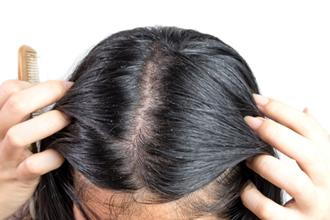
Are you dealing with a red, itchy, and flaky scalp? It could just be dandruff, or you could be dealing with a skin condition known as seborrheic dermatitis (sometimes referred to as seborrheic eczema). While this condition most often affects the scalp, some people may also develop symptoms on the face or body (typically in areas where there are more sebaceous glands such as the nose or back). How do you know that you’re dealing with seborrheic dermatitis?
Symptoms of Seborrheic Dermatitis
In infants, this skin condition is known as cradle cap and it results in greasy, scaly patches of skin on the head. Puberty often brings with it oilier skin, and this is often when we see teens and adults complaining of redness, swelling, or scaling on the scalp, eyebrows, nose, armpits, groin, or upper back.
Causes of Seborrheic Dermatitis
While dermatologists see this condition in a wide range of patients ranging from newborns to seniors, this condition most often occurs between 30-60 years old. While the root cause still hasn’t been determined, there are certain beliefs as to what might cause seborrheic dermatitis, including a reaction to a type of yeast that’s normally found on our skin. Certain chronic conditions such as rosacea, psoriasis, HIV, or epilepsy may also increase your risk for developing seborrheic dermatitis.
If you have been diagnosed with seborrheic dermatitis by a dermatologist, it’s important to figure out what might trigger symptoms. As with many skin conditions, seborrheic dermatitis may flare up and then go away for weeks or even months at a time. Some triggers include,
- Hormone fluctuations and imbalances
- Weather changes (e.g. cold or dry weather)
- Certain prescription medications
- Detergents, soaps, and cleaning products
- Stress
Managing Seborrheic Dermatitis
In most cases, your dermatologist can prescribe specialized skin products that can help to keep skin moisturized while preventing scaly patches from forming. Cleansers, shampoos, and other products that contain zinc pyrithione are often most effective for treating seborrheic dermatitis symptoms. Some products can be purchased over-the-counter, but for those with more severe symptoms, you may require a prescription from your dermatologist.
Lifestyle modifications such as getting more sleep, eating a healthy diet, and reducing stress can also reduce the number of flare-ups you experience. A dermatologist can help map out a treatment plan for you to better manage your symptoms.
While seborrheic dermatitis may go away without treatment and isn’t usually a cause for concern, you may want to consult your dermatologist if the symptoms are severe, they impact your appearance, or they affect your everyday routine.
What Is Seborrheic Dermatitis?
Are you dealing with a red, itchy, and flaky scalp? It could just be dandruff, or you could be dealing with a skin condition known as seborrheic dermatitis (sometimes referred to as seborrheic eczema). While this condition most often affects the scalp, some people may also develop symptoms on the face or body (typically in areas where there are more sebaceous glands such as the nose or back). How do you know that you’re dealing with seborrheic dermatitis?
Symptoms of Seborrheic Dermatitis
In infants, this skin condition is known as cradle cap and it results in greasy, scaly patches of skin on the head. Puberty often brings with it oilier skin, and this is often when we see teens and adults complaining of redness, swelling, or scaling on the scalp, eyebrows, nose, armpits, groin, or upper back.
Causes of Seborrheic Dermatitis
While dermatologists see this condition in a wide range of patients ranging from newborns to seniors, this condition most often occurs between 30-60 years old. While the root cause still hasn’t been determined, there are certain beliefs as to what might cause seborrheic dermatitis, including a reaction to a type of yeast that’s normally found on our skin. Certain chronic conditions such as rosacea, psoriasis, HIV, or epilepsy may also increase your risk for developing seborrheic dermatitis.
If you have been diagnosed with seborrheic dermatitis by a dermatologist, it’s important to figure out what might trigger symptoms. As with many skin conditions, seborrheic dermatitis may flare up and then go away for weeks or even months at a time. Some triggers include,
- Hormone fluctuations and imbalances
- Weather changes (e.g. cold or dry weather)
- Certain prescription medications
- Detergents, soaps, and cleaning products
- Stress
Managing Seborrheic Dermatitis
In most cases, your dermatologist can prescribe specialized skin products that can help to keep skin moisturized while preventing scaly patches from forming. Cleansers, shampoos, and other products that contain zinc pyrithione are often most effective for treating seborrheic dermatitis symptoms. Some products can be purchased over-the-counter, but for those with more severe symptoms, you may require a prescription from your dermatologist.
Lifestyle modifications such as getting more sleep, eating a healthy diet, and reducing stress can also reduce the number of flare-ups you experience. A dermatologist can help map out a treatment plan for you to better manage your symptoms.
While seborrheic dermatitis may go away without treatment and isn’t usually a cause for concern, you may want to consult your dermatologist if the symptoms are severe, they impact your appearance, or they affect your everyday routine.

Ormond Beach
400 Lakebridge Plaza Drive
Ormond Beach, FL 32174
Phone: (386) 677-9044
Ormond Beach
1385 West Granada Blvd., Ste 1
Ormond Beach, FL 32174
Phone: (386) 677-9044
Port Orange
1175 Dunlawton Avenue, Unit 102
Port Orange, FL 32127
Phone: (386) 265-1913
New Smyrna Beach
501 South Orange Street
New Smyrna Beach, FL 32168
Phone: (386) 410-5045
Palm Coast
33 & 37 Old Kings Road North
Palm Coast, FL 32137
Phone: (386) 225-4607
Orange City
2515 Junior Street
Orange City, FL 32763
Phone: (386) 218-6806