Brown Spots vs. Age Spots: How Patients Can Tell the Difference
As the skin ages, it’s common to notice dark spots appearing on the face, hands, and other sun-exposed areas. While these discolorations are often harmless, understanding the difference between brown spots and age spots can help patients make informed decisions about treatment and skin care. Parks Dermatology Center, with six locations across Florida, offers professional evaluations to distinguish between these spots and provide personalized care.
What Are Brown Spots?
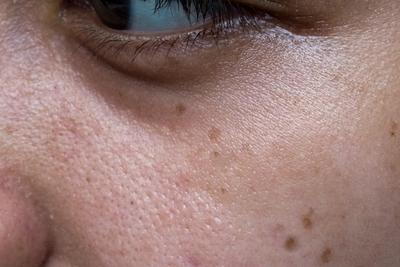
Brown spots, sometimes called hyperpigmentation, can appear at any age and often result from factors like sun exposure, hormonal changes, or inflammation. They can develop after acne, cuts, or other skin injuries, and their appearance may vary in size, shape, and color. Brown spots may fade over time but can persist without proper treatment or sun protection.
Unlike age spots, brown spots may appear in clusters or irregular patterns and can develop on areas of the body not typically associated with aging. Patients noticing new or rapidly changing brown spots should have them evaluated to rule out other skin conditions.
Understanding Age Spots
Age spots, also called liver spots or solar lentigines, usually develop in adults over the age of 40. These spots are directly linked to long-term sun exposure and cumulative UV damage. They are typically flat, round, and uniformly brown or tan, appearing on areas such as the face, shoulders, hands, and arms.
While age spots are generally harmless, they can be a cosmetic concern for many patients. Proper evaluation ensures they are not mistaken for more serious skin conditions, such as melanoma, which may require immediate attention.
Key Differences Between Brown Spots and Age Spots
The main differences lie in timing, cause, and appearance. Brown spots can appear at any age and often result from injury, inflammation, or hormonal changes. Age spots generally occur later in life due to cumulative sun exposure. Brown spots may vary in shape and color, while age spots are usually uniform in both shape and tone. Recognizing these differences helps patients and dermatologists determine the most effective treatment options.
When to Seek Professional Care
Any new, changing, or irregular spots should be evaluated by a dermatologist to ensure they are not a sign of skin cancer or other underlying conditions. Treatment options can include topical medications, laser therapy, chemical peels, or other procedures tailored to each patient’s skin type and needs.
Parks Dermatology Center, with six locations across Florida at (386) 677-9044, provides expert guidance and customized treatment plans for patients concerned about brown spots or age spots. Call today to schedule an appointment and take the first step toward healthier, more even-toned skin.
Brown Spots vs. Age Spots: How Patients Can Tell the Difference
As the skin ages, it’s common to notice dark spots appearing on the face, hands, and other sun-exposed areas. While these discolorations are often harmless, understanding the difference between brown spots and age spots can help patients make informed decisions about treatment and skin care. Parks Dermatology Center, with six locations across Florida, offers professional evaluations to distinguish between these spots and provide personalized care.
What Are Brown Spots?
Brown spots, sometimes called hyperpigmentation, can appear at any age and often result from factors like sun exposure, hormonal changes, or inflammation. They can develop after acne, cuts, or other skin injuries, and their appearance may vary in size, shape, and color. Brown spots may fade over time but can persist without proper treatment or sun protection.
Unlike age spots, brown spots may appear in clusters or irregular patterns and can develop on areas of the body not typically associated with aging. Patients noticing new or rapidly changing brown spots should have them evaluated to rule out other skin conditions.
Understanding Age Spots
Age spots, also called liver spots or solar lentigines, usually develop in adults over the age of 40. These spots are directly linked to long-term sun exposure and cumulative UV damage. They are typically flat, round, and uniformly brown or tan, appearing on areas such as the face, shoulders, hands, and arms.
While age spots are generally harmless, they can be a cosmetic concern for many patients. Proper evaluation ensures they are not mistaken for more serious skin conditions, such as melanoma, which may require immediate attention.
Key Differences Between Brown Spots and Age Spots
The main differences lie in timing, cause, and appearance. Brown spots can appear at any age and often result from injury, inflammation, or hormonal changes. Age spots generally occur later in life due to cumulative sun exposure. Brown spots may vary in shape and color, while age spots are usually uniform in both shape and tone. Recognizing these differences helps patients and dermatologists determine the most effective treatment options.
When to Seek Professional Care
Any new, changing, or irregular spots should be evaluated by a dermatologist to ensure they are not a sign of skin cancer or other underlying conditions. Treatment options can include topical medications, laser therapy, chemical peels, or other procedures tailored to each patient’s skin type and needs.
Parks Dermatology Center, with six locations across Florida at (386) 677-9044, provides expert guidance and customized treatment plans for patients concerned about brown spots or age spots. Call today to schedule an appointment and take the first step toward healthier, more even-toned skin.

Ormond Beach
400 Lakebridge Plaza Drive
Ormond Beach, FL 32174
Phone: (386) 677-9044
Ormond Beach
1385 West Granada Blvd., Ste 1
Ormond Beach, FL 32174
Phone: (386) 677-9044
Port Orange
1175 Dunlawton Avenue, Unit 102
Port Orange, FL 32127
Phone: (386) 265-1913
New Smyrna Beach
501 South Orange Street
New Smyrna Beach, FL 32168
Phone: (386) 410-5045
Palm Coast
33 & 37 Old Kings Road North
Palm Coast, FL 32137
Phone: (386) 225-4607
Orange City
2515 Junior Street
Orange City, FL 32763
Phone: (386) 218-6806