 Plantar Warts in Howell Township and Brick, NJ
Plantar warts are a common foot condition that can cause discomfort and interfere with standing and movement. At The Foot and Ankle Center, with offices in Howell Township and Brick, NJ, Dr. Keith Rosenthal, DPM, FACFAS, Dr. Julian Sansone, DPM, FACFAS, and Dr. Matthew Blutfield, DPM, help patients identify, treat, and manage plantar warts using reliable, non-surgical methods.
Causes Of Plantar Warts
Plantar warts are caused by the human papillomavirus (HPV), which enters the skin through small cuts or abrasions on the soles of the feet. The virus thrives in warm, moist environments such as swimming pools, locker rooms, and showers. Not everyone exposed to HPV will develop warts, but people with weakened immune systems or small breaks in their skin are more susceptible.
Recognizing The Symptoms
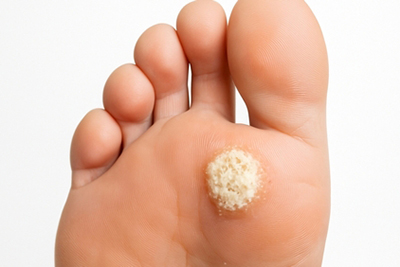
Plantar warts often appear as small, rough growths on the bottom of the foot. They may be flesh-colored, gray, or slightly brown, sometimes with tiny black dots in the center. (Those are small, clotted blood vessels.) Warts can be painful when pressure is applied, making walking or standing uncomfortable. Some patients notice a thickened area of skin surrounding the wart, similar to a callus.
Non-Surgical Treatment Options in Howell Township and Brick, NJ
The Foot and Ankle Center offers several non-surgical approaches to treating plantar warts, based on the patient’s specific condition:
- Topical Treatments: Prescription-strength salicylic acid and other medicated solutions can gradually remove layers of the wart. These treatments require consistent application over several weeks.
- Cryotherapy: Freezing the wart with liquid nitrogen kills the tissue and makes it fall off. Multiple sessions may be necessary.
- Laser Therapy: In some cases, laser treatment can be used to seal the blood vessels within the wart, encouraging the body to eliminate the infected tissue.
- Immunotherapy: Certain topical or injected therapies help trigger the immune system to fight the virus, which can be particularly useful for warts that are persistent or resistant to other treatments.
Preventing Recurrence
Because plantar warts are caused by a virus, preventing contagious spread is important. Wearing protective footwear in public showers and pool areas, keeping feet clean and dry, and avoiding direct contact with warts, either your own or someone else’s, can reduce the risk of recurrence.