
Pediatric Allergy Care at Whittier, CA
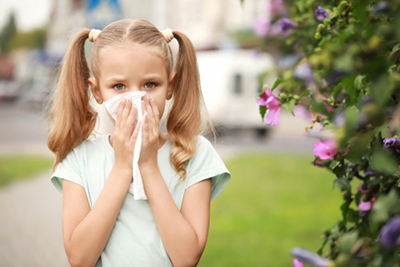
Children experience the world through touch, taste, breath, and play — but for those living with allergies, daily life can come with extra challenges. At Heart To Heart Pediatrics in Whittier, California, families receive expert care tailored to managing childhood allergies with compassion, insight, and a deep understanding of pediatric health.
Understanding Allergies in Children
Allergies occur when the immune system overreacts to substances that are normally harmless — such as pollen, certain foods, dust mites, or pet dander. For children, these allergic reactions can range from mild discomfort to more serious health concerns, depending on the trigger and the individual child’s sensitivity.
Some of the most common types of allergies seen in children include:
- Seasonal allergies (pollen, grass, mold)
- Food allergies (peanuts, eggs, milk, shellfish)
- Environmental allergies (dust, animals)
- Skin allergies (eczema, contact dermatitis)
- Insect sting allergies
- Medication allergies
Recognizing the Signs of Allergies
Allergy symptoms can often resemble a cold or other common illness, which is why it’s important to have a pediatrician evaluate any recurring or persistent symptoms. Signs that may indicate an allergic response include:
- Sneezing, runny nose, or nasal congestion
- Itchy or watery eyes
- Coughing or wheezing
- Skin rashes, hives, or eczema
- Digestive issues such as nausea, vomiting, or stomach pain
- Swelling of the lips, face, or tongue in severe cases
If a child seems to have symptoms that appear repeatedly after exposure to certain foods, environments, or seasons, an allergy evaluation may be needed.
Comprehensive Allergy Evaluation and Testing
At Heart To Heart Pediatrics, the first step in allergy management is an accurate diagnosis. Providers work closely with parents to understand symptom history, potential triggers, and how the symptoms impact the child’s daily life. If necessary, the child may be referred for allergy testing to identify specific allergens.
This may include:
- Skin prick testing
- Blood tests (IgE antibody testing)
- Elimination diets (for suspected food allergies)
Personalized Allergy Management Plans
Once a diagnosis is made, the pediatric care team develops a plan that is both practical and effective for the child’s age and lifestyle. Management strategies may include:
- Avoidance of known allergens
- Prescription or over-the-counter medications to relieve symptoms
- Use of epinephrine auto-injectors for severe allergic reactions
- Nutritional guidance for food allergies
- Environmental modifications at home or school
The goal is to help children live comfortably and safely without unnecessary limitations. Parents are provided with education and resources to help them feel confident in managing their child’s allergy care.