
- posted: Mar. 29, 2026
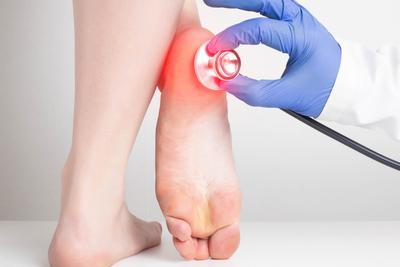
At Total Foot and Ankle of Tampa Bay in Wesley Chapel, Zephyrhills, Sun City Center, Riverview, and Brandon, FL, we help patients progress through heel spur treatment with a clear plan for recovery and rehabilitation. Heel spurs often develop after long-term strain on the plantar fascia and surrounding soft tissue, and the pain usually comes from inflammation around the heel rather than the spur alone. That is why recovery does not stop when treatment begins. It also depends on how well we reduce pressure, restore flexibility, and prevent the problem from returning.
Why Recovery Matters After Treatment
Even after symptoms begin to improve, the heel still needs time to calm down and function more normally. Patients often feel tempted to return to full activity too quickly, especially once the sharp morning pain starts to ease. That can slow recovery and keep the tissue irritated. Rehabilitation helps us make sure the structures around the heel heal in a way that supports long-term comfort.
What Early Recovery Usually Involves
The first stage of recovery usually focuses on lowering stress at the heel. We may recommend supportive shoes, custom orthotics, taping, or strapping to reduce repeated pulling on the plantar fascia. These measures help protect the area while treatment starts to work. In some cases, we also use more advanced options such as injections or shockwave therapy when inflammation remains stubborn or symptoms do not improve enough with conservative care alone.
Why Stretching and Rehabilitation Are Important
Rehabilitation often includes stretching and physical therapy exercises designed to lengthen the plantar fascia and calf muscles. Tightness in these structures can increase traction on the heel bone and keep symptoms active. By improving flexibility and reducing abnormal pull, we help the foot absorb force more effectively during walking and standing. This part of care is especially important for patients who have had heel pain for a long time or who spend many hours on their feet.
How We Help Prevent Recurrence
Successful recovery also means addressing the cause of the strain. Poor arch support, worn shoes, repetitive standing, and certain gait patterns can all keep pressure concentrated at the heel. We evaluate those factors so we can reduce the chance that heel spurs keep causing pain after the first round of treatment. Our goal is not only to make the heel feel better now, but also to help patients stay active with fewer setbacks.
Know When to Follow Up
If heel pain continues, returns quickly, or starts limiting your normal routine again, it is important to follow up rather than push through it. Ongoing symptoms may mean the heel needs more support, different treatment, or a more structured rehabilitation plan.
Get Help Recovering From Heel Spur Pain
At Total Foot and Ankle of Tampa Bay in Wesley Chapel, Zephyrhills, Sun City Center, Riverview, and Brandon, FL, we provide treatment and follow-up care designed to help patients recover from heel spurs and return to daily activity with less pain. Call our Zephyrhills and Wesley Chapel offices at (813) 788-3600, our Sun City Center office at (813) 633-5900, our Riverview offices at (813) 788-3600 or (813) 633-5900, or our Brandon office at (813) 633-5900 to schedule an appointment.
- posted: Mar. 29, 2026
At Total Foot and Ankle of Tampa Bay in Wesley Chapel, Zephyrhills, Sun City Center, Riverview, and Brandon, FL, we help patients progress through heel spur treatment with a clear plan for recovery and rehabilitation. Heel spurs often develop after long-term strain on the plantar fascia and surrounding soft tissue, and the pain usually comes from inflammation around the heel rather than the spur alone. That is why recovery does not stop when treatment begins. It also depends on how well we reduce pressure, restore flexibility, and prevent the problem from returning.
Why Recovery Matters After Treatment
Even after symptoms begin to improve, the heel still needs time to calm down and function more normally. Patients often feel tempted to return to full activity too quickly, especially once the sharp morning pain starts to ease. That can slow recovery and keep the tissue irritated. Rehabilitation helps us make sure the structures around the heel heal in a way that supports long-term comfort.
What Early Recovery Usually Involves
The first stage of recovery usually focuses on lowering stress at the heel. We may recommend supportive shoes, custom orthotics, taping, or strapping to reduce repeated pulling on the plantar fascia. These measures help protect the area while treatment starts to work. In some cases, we also use more advanced options such as injections or shockwave therapy when inflammation remains stubborn or symptoms do not improve enough with conservative care alone.
Why Stretching and Rehabilitation Are Important
Rehabilitation often includes stretching and physical therapy exercises designed to lengthen the plantar fascia and calf muscles. Tightness in these structures can increase traction on the heel bone and keep symptoms active. By improving flexibility and reducing abnormal pull, we help the foot absorb force more effectively during walking and standing. This part of care is especially important for patients who have had heel pain for a long time or who spend many hours on their feet.
How We Help Prevent Recurrence
Successful recovery also means addressing the cause of the strain. Poor arch support, worn shoes, repetitive standing, and certain gait patterns can all keep pressure concentrated at the heel. We evaluate those factors so we can reduce the chance that heel spurs keep causing pain after the first round of treatment. Our goal is not only to make the heel feel better now, but also to help patients stay active with fewer setbacks.
Know When to Follow Up
If heel pain continues, returns quickly, or starts limiting your normal routine again, it is important to follow up rather than push through it. Ongoing symptoms may mean the heel needs more support, different treatment, or a more structured rehabilitation plan.
Get Help Recovering From Heel Spur Pain
At Total Foot and Ankle of Tampa Bay in Wesley Chapel, Zephyrhills, Sun City Center, Riverview, and Brandon, FL, we provide treatment and follow-up care designed to help patients recover from heel spurs and return to daily activity with less pain. Call our Zephyrhills and Wesley Chapel offices at (813) 788-3600, our Sun City Center office at (813) 633-5900, our Riverview offices at (813) 788-3600 or (813) 633-5900, or our Brandon office at (813) 633-5900 to schedule an appointment.