
Plantar Fasciitis Treatment for Lasting Heel Pain Relief at Brandon, Zephyrhills, Sun City Center, Wesley Chapel, & Riverview, FL
At Total Foot & Ankle of Tampa Bay, serving patients in Brandon, Zephyrhills, Sun City Center, Wesley Chapel, and Riverview, we diagnose and treat heel pain that interferes with daily movement. One of the most common causes we see is plantar fasciitis. Early, targeted care helps reduce pain, restore mobility, and prevent chronic symptoms.
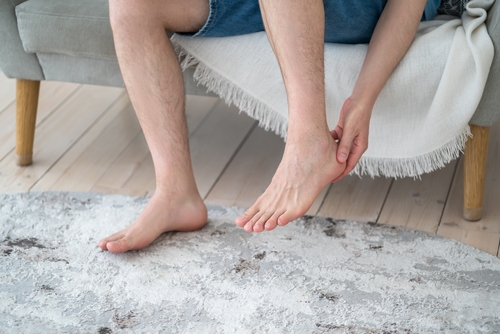
What Plantar Fasciitis Is
Plantar fasciitis occurs when the plantar fascia, a thick band of connective tissue that supports the arch of the foot, becomes irritated and inflamed. This tissue runs from the heel bone to the toes and plays a key role in shock absorption during walking.
Excess strain causes microscopic tearing in the plantar fascia. Over time, repeated stress prevents proper healing and leads to persistent inflammation. Patients often notice sharp heel pain with the first steps in the morning or after long periods of sitting.
Common Causes and Risk Factors
Plantar fasciitis often develops due to repetitive stress rather than a single injury. Prolonged standing, walking on hard surfaces, sudden increases in activity, and inadequate footwear frequently contribute. Foot structure also plays a role: Flat feet, high arches, and abnormal gait patterns increase strain on the plantar fascia.
Weight changes, tight calf muscles, and limited ankle flexibility further raise risk. Without treatment, the condition can worsen and alter walking mechanics, which may lead to knee, hip, or back discomfort.
How We Diagnose Plantar Fasciitis
We begin with a detailed evaluation of symptoms, activity level, and medical history. We assess foot structure, arch alignment, flexibility, and areas of tenderness. Imaging may be used to rule out stress fractures, nerve compression, or other sources of heel pain.
Accurate diagnosis ensures treatment addresses the true cause of symptoms rather than temporary relief alone.
Treatment Options for Plantar Fasciitis
Treatment focuses on reducing inflammation, relieving strain, and restoring proper foot mechanics. We often recommend custom orthotics to support the arch and distribute pressure evenly. Stretching programs improve calf and plantar fascia flexibility, while footwear guidance reduces ongoing stress.
Additional treatments may include night splints, targeted therapies, or injection-based options when conservative care does not provide adequate relief. Our approach emphasizes gradual healing and long-term prevention.