

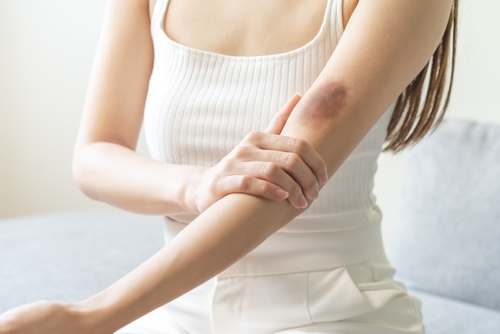
A hematoma occurs when blood collects under the skin or toenail after trauma, causing swelling, discoloration, and discomfort. At the Las Vegas, NV, podiatry practice of Ted Cohen, DPM, patients receive expert evaluation and treatment for hematomas. With over 40 years of experience in everything from treating minor injuries to complex foot reconstruction, Dr. Cohen ensures patients get safe, effective care.
What Causes Hematomas in Las Vegas, NV
Hematomas in the foot or toes often result from blunt trauma, such as dropping a heavy object on the toe, stubbing a toe, or repetitive pressure from tight footwear. In some cases, athletic activity or accidents can lead to significant bruising beneath the nail or skin. While minor hematomas may resolve on their own, larger collections of blood can cause pressure, discomfort, and an increased risk of infection.
Recognizing the Symptoms
Common signs of a hematoma include:
- Dark red, purple, or black discoloration under the toenail or skin
- Swelling and tenderness
- Pressure or throbbing pain, especially under the nail
- In severe cases, partial or complete nail detachment
Early evaluation by a podiatrist can prevent further complications and relieve discomfort quickly.
How Podiatrists Treat Hematomas
Dr. Cohen uses precise, minimally invasive techniques to safely drain blood buildup when appropriate, reducing pain and allowing the nail or surrounding tissue to heal properly. He will also treat injuries to the bone or soft tissue, providing protective padding and recommending footwear adjustments to prevent recurrence.
For smaller hematomas, monitoring and conservative care, such as ice, elevation, and protective covering, may be sufficient. Dr. Cohen will determine his approach based on the size, location, and severity of the hematoma, ensuring the best outcome for each patient.
Preventing Future Foot Trauma
Part of managing hematomas involves educating patients about preventive measures. Properly fitting shoes, protective gear for sports, and attention to daily activities can reduce the risk of repeated trauma. Dr. Cohen also provides guidance on foot care after injury, including monitoring for signs of infection or nail changes.