
Heel Pain in Fort Dodge, IA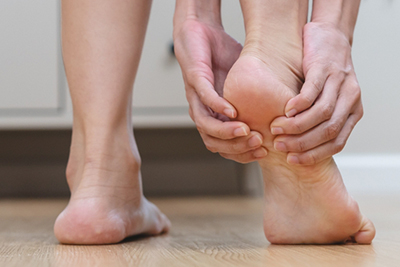
Heel pain can significantly affect your quality of life, ranging from mild discomfort to a debilitating condition. At Midwest Foot & Ankle Center, with locations in Fort Dodge, Lake City, and Humboldt, IA, Dr. Mark Hartman, Dr. Kelsey Sukovaty, and Dr. Madison Leyk provide expert care tailored to alleviate your pain and restore your mobility. Understanding the underlying causes of heel pain is the first step toward effective treatment.
What Causes Heel Pain?
Often resulting from overuse, trauma, or structural issues, heel pain can be caused by physical activities, ill-fitting shoes, or changes in weight-bearing patterns that put stress on the heel and surrounding tissues. Early detection of these causes can prevent the progression of pain and other symptoms.
Common Conditions Linked to Heel Discomfort
Several conditions are commonly associated with heel pain. Plantar fasciitis is a common suspect, which involves the inflammation of the tissue connecting the heel to the toes. Achilles tendonitis, resulting from overuse or abrupt escalation in exercise intensity, impacts the Achilles tendon. Heel spurs, often occurring together with plantar fasciitis, are bony growths on the heel bone. Bursitis entails the inflammation of the bursae, the fluid-filled sacs that pad the heel bone. Early identification of these conditions is crucial for implementing proper treatment and preventing subsequent complications.
Treatment Options That Offer Relief
Treatment starts with a thorough examination by Dr. Mark Hartman, Dr. Kelsey Sukovaty, or Dr. Madison Leyk to identify the source of your heel pain. Early treatments usually involve rest and activity modification to help relieve symptoms. Custom orthotics might be prescribed to help ensure proper foot positioning and limit heel stress. Stretching exercises can enhance flexibility and minimize tension in the calf muscles and plantar fascia. Anti-inflammatory treatment, including medication or ice therapy, might also be used to reduce inflammation and discomfort. When conservative treatments fail to help, advanced treatments like corticosteroid injections or surgery might be recommended.
